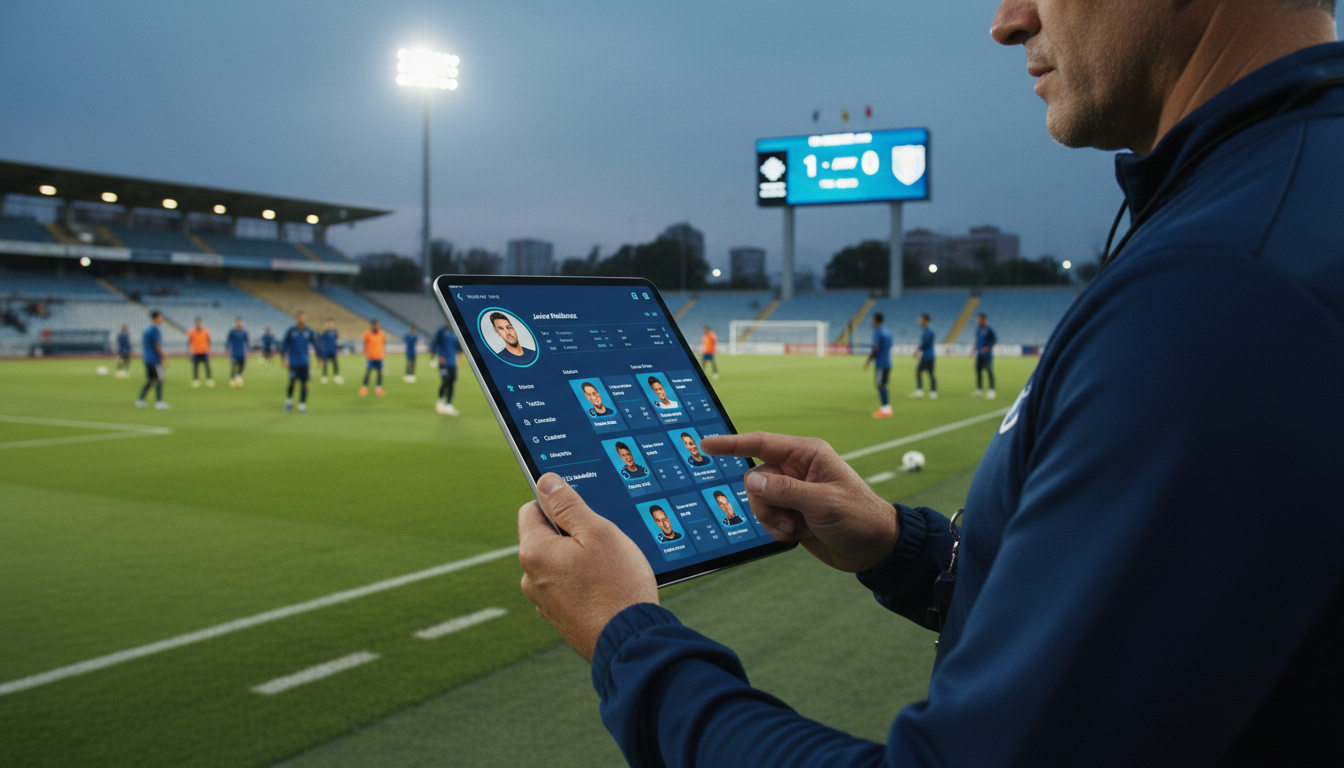
After successfully logging into your GoSport account, you'll arrive at your personalized dashboard. This central hub is designed to provide quick access to the tools, information, and features most relevant to your role in the sports community. Understanding how to navigate and utilize your dashboard effectively is key to getting the most out of the platform. This comprehensive guide will explore every aspect of the GoSport dashboard and help you become a proficient user.
Understanding the Dashboard Layout
The GoSport dashboard is organized with user experience in mind, featuring a clean, intuitive layout that prioritizes the information and tools you use most frequently. While the specific content varies based on your role (coach, parent, player, referee, or administrator), the general structure remains consistent across all user types.
Main Navigation Menu
The main navigation menu, typically located on the left side of the screen or across the top, provides access to all major platform features. This menu is organized logically, with related functions grouped together for easy access. Common menu items include Home, Teams, Schedule, Communications, Documents, and Settings.
The navigation menu is responsive, meaning it adapts to different screen sizes. On mobile devices, it typically collapses into a hamburger menu that can be expanded when needed. This ensures a consistent experience whether you're accessing the platform from a computer, tablet, or smartphone.
Quick Access Toolbar
Many dashboard versions include a quick access toolbar featuring shortcuts to commonly used functions. These might include creating new events, sending messages, or accessing your calendar. Learning these shortcuts can significantly speed up your workflow and make you more efficient in your daily platform use.
Role-Specific Dashboard Features
Your GoSport dashboard is customized based on the role you selected during account creation. Each role has access to different features and tools designed for their specific needs within the sports ecosystem.
Coach Dashboard Features
Coaches have access to one of the most comprehensive dashboard experiences on the platform. Key features include:
- Team Management: Quick access to roster management, player profiles, and team settings
- Schedule Management: Tools for creating and managing practices, games, and events
- Communication Hub: Direct messaging, team announcements, and parent communication tools
- Performance Tracking: Access to player statistics, game results, and performance analytics
- Tournament Registration: Direct links to tournament search and registration functions
Parent Dashboard Features
Parents have a streamlined dashboard focused on keeping them informed and connected with their children's sports activities:
- Family Calendar: Integrated view of all children's schedules and activities
- Team Communications: Access to team messages, announcements, and coach communications
- Player Progress: View children's performance data, playing time, and development progress
- Document Access: Team schedules, permission forms, and important documents
- Payment Management: Team fees, tournament costs, and payment history
Player Dashboard Features
Players have access to a dashboard focused on their individual experience and development:
- Personal Schedule: Individual game and practice schedule with reminders
- Team Information: Access to team rosters, schedules, and communications
- Performance Data: Personal statistics, playing time, and performance metrics
- Communication Tools: Ability to communicate with coaches and teammates
- Profile Management: Tools to update personal information and preferences
Key Dashboard Sections Explained
The Main Activity Feed
Most dashboards feature a main activity feed that displays recent updates, announcements, and important information. This feed is personalized based on your role and team affiliations, showing only information relevant to you.
The activity feed typically includes upcoming events, recent game results, team announcements, and system notifications. You can often customize what appears in your feed through notification settings.
Calendar and Scheduling
The calendar section provides a comprehensive view of all your scheduled activities. This might include games, practices, tournaments, and team events. The calendar can typically be viewed in different formats (daily, weekly, monthly) and includes features for filtering by team or event type.
Calendar integration is a powerful feature that allows you to sync your GoSport schedule with external calendar applications like Google Calendar or Apple Calendar. This ensures all your commitments are visible in one place.
Communication Center
The communication section provides access to all your messaging and communication tools. This includes direct messages with other users, team announcements, and group communications. The communication center is designed to keep all your sports-related conversations organized and accessible.
Document Management
The documents section provides access to all team-related paperwork and forms. This might include schedules, permission forms, medical documents, and team policies. Having these documents organized and accessible through your dashboard eliminates the need to search through emails or carry physical copies.
Customization and Personalization
One of the strengths of the GoSport dashboard is its ability to be customized to match your preferences and workflow. Understanding these customization options can help you create a more efficient and personalized experience.
Dashboard Layout Options
Many dashboard elements can be rearranged or hidden based on your preferences. You might be able to move frequently used sections to more prominent positions or hide features you don't use regularly. These layout options help you create a workspace that matches your specific needs.
Notification Preferences
Controlling how and when you receive notifications is crucial for managing the flow of information without becoming overwhelmed. The platform typically offers granular control over notifications, allowing you to specify which events trigger notifications and how they're delivered (email, push notification, in-app alert).
Privacy Settings
Your dashboard includes privacy settings that control what information is visible to other users. Understanding these settings helps you maintain appropriate privacy while still participating fully in team and community activities.
Advanced Dashboard Features
As you become more comfortable with the basic dashboard functions, you can explore advanced features that provide additional value and efficiency.
Reporting and Analytics
Depending on your role, you may have access to reporting and analytics features that provide insights into team performance, player development, or organizational metrics. These tools can help inform decisions and identify areas for improvement.
Integration Features
The dashboard may include integration features that connect with other tools and services. This might include calendar synchronization, social media integration, or connections with other sports-related platforms.
Mobile Dashboard Experience
The mobile version of the dashboard is optimized for on-the-go access, with a streamlined interface that prioritizes the most important features for mobile users. Understanding how the mobile experience differs from the desktop version helps you use each platform effectively.
Troubleshooting Dashboard Issues
While the dashboard is designed to be reliable and user-friendly, you might occasionally encounter issues. Understanding common problems and their solutions can help you resolve issues quickly.
Loading and Display Issues
If your dashboard isn't loading correctly or displaying information properly, try refreshing the page or clearing your browser cache. These simple steps often resolve display issues.
Missing Information
If you notice that expected information isn't appearing on your dashboard, check that you're properly connected to teams or organizations. Sometimes information access depends on proper role assignments and team connections.
Getting the Most from Your Dashboard
To maximize the value you get from your GoSport dashboard, consider these best practices:
Regular engagement with your dashboard ensures you stay current with important information and don't miss deadlines or updates. Make it a habit to check your dashboard at least daily during active seasons.
Take advantage of customization options to create a dashboard that matches your workflow. The more personalized your experience, the more efficient you'll be in your platform use.
Explore new features as they're added to the platform. GoSport regularly updates and improves its interface, and staying current with these changes helps you take advantage of new capabilities.
Conclusion
The GoSport dashboard is a powerful tool designed to streamline sports management and communication. By understanding its layout, features, and customization options, you can create an efficient workspace that supports your role in the sports community.
Remember that proficiency comes with practice. The more you use your dashboard, the more comfortable and efficient you'll become. Don't be afraid to explore different features and customization options to find what works best for you.