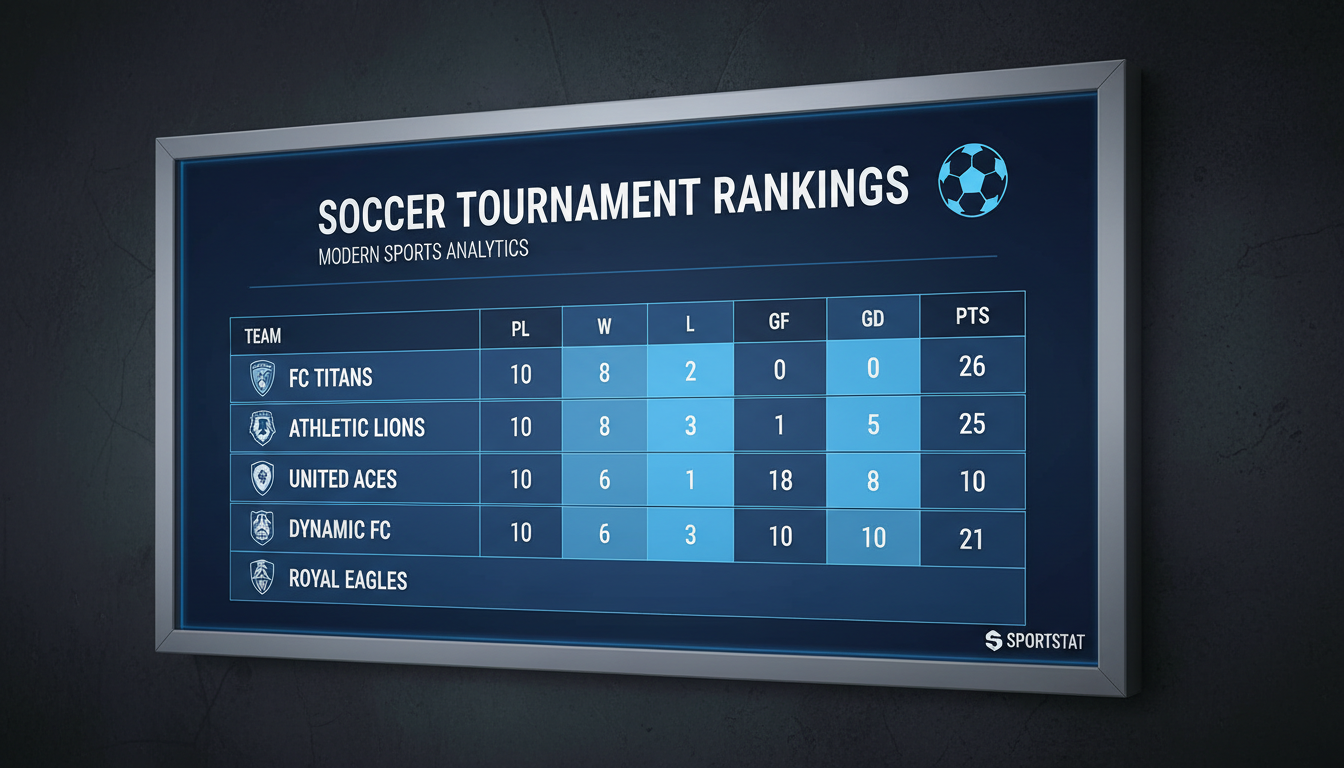
The GoSport rankings system is one of the most discussed and analyzed features of the platform. For competitive teams, understanding how these rankings work can mean the difference between getting into prestigious tournaments and being left on the sidelines. This comprehensive guide will explain everything you need to know about GoSport rankings and how to leverage them for your team's benefit.
What Are GoSport Rankings?
GoSport rankings represent a comprehensive evaluation system that assesses team performance across various metrics. Unlike simple win-loss records, these rankings incorporate multiple factors to create a more accurate picture of a team's competitive strength. The system is designed to be fair, transparent, and reflective of true competitive ability.
The ranking system serves several important purposes within the GoSport ecosystem. Tournament organizers use rankings to seed events, ensuring competitive balance and exciting matchups. College recruiters often reference these rankings when evaluating potential prospects. Teams use their ranking to gauge progress and set competitive goals for the season.
Understanding the ranking system helps teams make strategic decisions about which tournaments to enter, how to structure their competitive schedule, and what areas need improvement. A higher ranking can open doors to elite events, better competition, and increased visibility within the soccer community.
How the Ranking Algorithm Works
The GoSport ranking algorithm is a sophisticated system that evaluates multiple performance indicators. While the exact formula is proprietary, the platform has shared that several key factors contribute to a team's ranking score.
Game Results and Outcomes
The most significant factor in determining rankings is game results. Wins, losses, and ties are weighted based on the strength of the opponent and the margin of victory. A win against a highly-ranked opponent is worth more than a victory over a lower-ranked team. Similarly, close losses to strong competition may not penalize a team as heavily as lopsided defeats.
Strength of Schedule
Not all wins are created equal in the GoSport system. The algorithm heavily weighs the quality of opposition when calculating rankings. Teams that consistently play and defeat strong competition will rank higher than teams with similar records against weaker opponents. This encourages teams to challenge themselves and seek out high-level competition.
Recent Performance
The ranking system places more emphasis on recent results than older games. A team's most recent 10-15 games carry the most weight, with results from the current season being most important. This ensures that rankings reflect current form rather than historical performance that may no longer be relevant.
Tournament Performance
Results in sanctioned tournaments receive additional weight in the ranking calculation. Tournament games often feature higher stakes and better competition, making them particularly valuable for ranking purposes. Deep runs in prestigious tournaments can significantly boost a team's ranking.
Factors That Influence Your Ranking
Several specific elements can positively or negatively affect your team's GoSport ranking. Understanding these factors can help you make strategic decisions about your competitive schedule and approach to games.
Goal Differential
While winning is the primary objective, the margin of victory can impact ranking calculations. A 1-0 win suggests a competitive game, while a 5-0 victory indicates dominance. However, running up the score against overmatched opponents doesn't necessarily provide proportional ranking benefits, as the system recognizes when games are out of hand.
Home vs. Away Results
The ranking system acknowledges the challenges of playing on the road. Away wins may receive slightly more credit than home victories, while road losses to quality opponents might be viewed more favorably than home defeats. This encourages teams to travel and compete in different environments.
Consistency of Performance
Teams that perform consistently well against appropriate competition tend to maintain higher rankings than teams with erratic performance patterns. A string of solid wins against quality opponents is generally more valuable than alternating spectacular wins with puzzling losses.
Strategies to Improve Your Ranking
Now that you understand how GoSport rankings work, let's explore strategies to improve your team's position in the rankings.
Optimize Your Tournament Schedule
Strategic tournament selection is crucial for ranking improvement. Look for events that feature teams ranked slightly above you, as these provide opportunities for significant ranking gains with wins. Avoid tournaments where you'll be either heavily favored or clearly overmatched, as neither scenario helps your ranking much.
Challenge Yourself Regularly
Don't be afraid to play teams ranked higher than you. Even quality losses can help your ranking if they're against strong competition and you remain competitive. A schedule filled with challenging games will serve your ranking better than one dominated by easy wins.
Focus on Tournament Success
Since tournament games carry extra weight in the ranking formula, prioritize success in these events. Advancing to knockout rounds and winning elimination games can provide significant ranking boosts. Prepare your team specifically for the tournament format and pressure.
Maintain Consistent Performance
Avoid the temptation to overlook supposedly weaker opponents. Every game counts in the ranking system, and unexpected losses can significantly damage your position. Approach each game with appropriate focus and preparation, regardless of the opponent's ranking.
Understanding Ranking Movement
Rankings are dynamic and update regularly based on new results. Understanding how and when rankings change can help you track your team's progress and set realistic expectations.
Rankings typically update within 24-48 hours of game results being submitted to the system. This delay allows for verification and ensures accuracy. Major tournaments may see rankings updated more frequently, especially during championship events.
Don't be alarmed if your ranking fluctuates, especially early in the season when fewer games have been played. As more results are added to the system, rankings tend to stabilize and become more accurate reflections of team quality.
Common Ranking Misconceptions
Several misconceptions exist about how GoSport rankings work. Clearing up these misunderstandings can help you approach ranking improvement more effectively.
Misconception: Total Wins Determine Ranking
While wins are important, the quality of wins matters more than the quantity. A team with fewer wins against strong competition may outrank a team with more wins against weaker opponents. Focus on quality over quantity when building your schedule.
Misconception: Rankings Are Permanent
Rankings are designed to be fluid and responsive to current performance. A poor start to the season doesn't doom your ranking, just as a hot streak doesn't guarantee long-term success. Consistent performance over time is what matters most.
Misconception: Only Tournament Games Matter
While tournament games receive additional weight, regular season and league games also significantly impact rankings. Every sanctioned game contributes to your ranking, so consistent performance across all competitions is important.
Using Rankings for Tournament Seeding
One of the most practical applications of GoSport rankings is tournament seeding. Tournament organizers frequently use these rankings to create balanced brackets and ensure competitive events.
Higher-ranked teams often receive preferential seeding, which can mean avoiding other top teams in early rounds. This creates advantages beyond simple prestige, potentially affecting your team's tournament experience and results.
Understanding this relationship can help you plan your season strategically. Building a strong ranking through smart scheduling can pay dividends when it comes to tournament time, giving your team a better path to success.
Conclusion
The GoSport rankings system is a sophisticated tool that, when understood and leveraged properly, can significantly benefit your team. By focusing on quality competition, consistent performance, and strategic tournament participation, you can improve your ranking and unlock new opportunities for your players.
Remember that rankings are meant to reflect competitive strength, not define your team's worth. Use them as a tool for improvement and opportunity, but don't let them overshadow the more important aspects of player development and team building that make sports participation valuable.