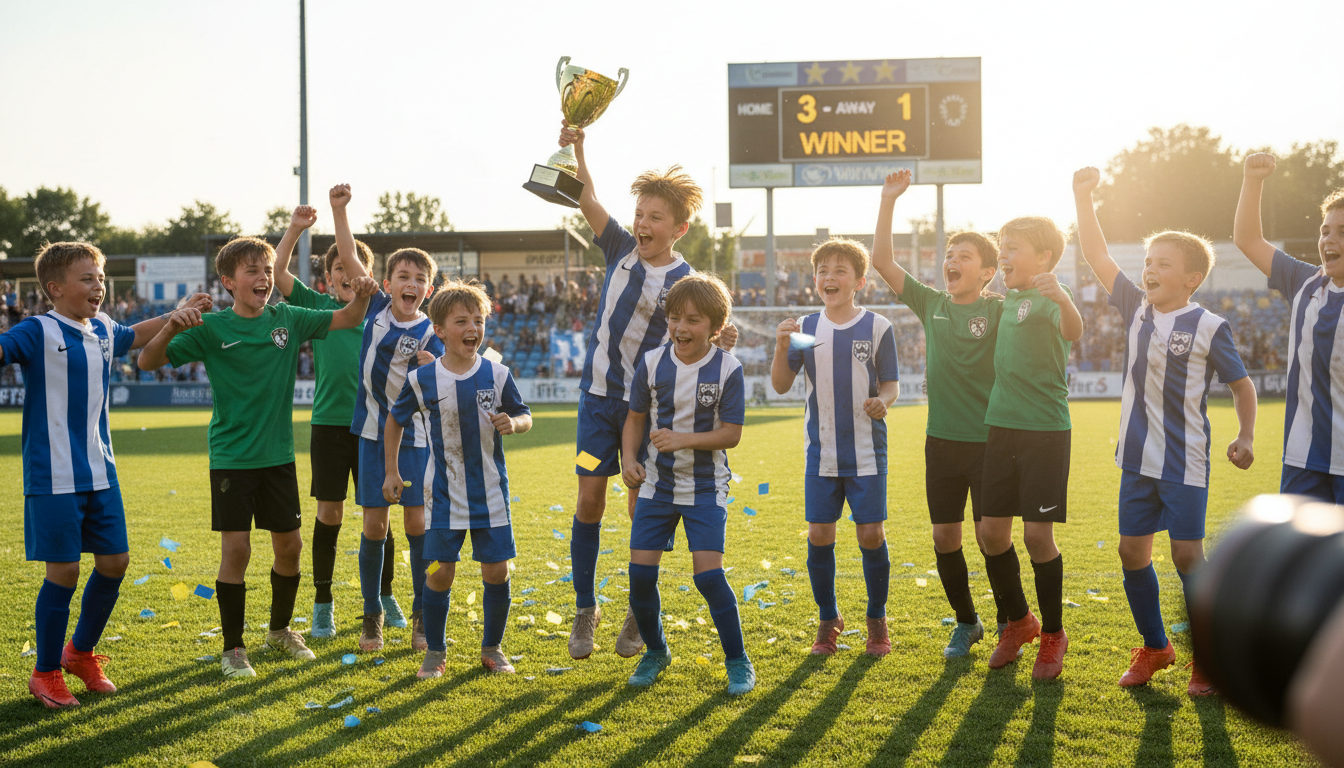
Managing a soccer team involves countless administrative tasks that can take time away from what coaches love most: working with players on the field. GoSport provides comprehensive tools designed to streamline team management, from roster organization to communication and everything in between. This guide explores best practices for coaches and managers using the platform to run successful soccer teams.
Setting Up Your Team Foundation
Creating Your Team Profile
The foundation of effective team management on GoSport begins with a well-structured team profile. This includes accurate team information, clear identification of team officials, and proper categorization of your team's age group and competition level. A complete team profile ensures that other platform users can find and interact with your team appropriately.
Take time to craft a team description that reflects your team's philosophy and goals. This information helps potential players and parents understand what your team is about and whether it might be a good fit for their needs.
Establishing Team Culture
Use the platform's communication tools to establish and reinforce your team's culture from the beginning. This might include sharing your coaching philosophy, team expectations, and core values. When everyone understands the team's direction, it becomes easier to work together toward common goals.
Consider creating team guidelines or a team handbook that can be shared through the platform's document management system. Having written expectations helps prevent misunderstandings and provides a reference when questions arise.
Comprehensive Roster Management
Player Profile Management
Effective roster management starts with complete and accurate player profiles. The GoSport platform allows you to maintain detailed information about each player including contact information, positions, jersey numbers, and important medical details. Keeping this information current is crucial for smooth team operations.
Encourage players and parents to keep their contact information updated through the platform. This reduces the administrative burden on coaches and ensures that important communications reach their intended recipients.
Position Tracking and Strategy
Use the platform's position tracking features to organize your roster strategically. Documenting each player's primary and secondary positions helps with tactical planning and ensures you have coverage for all positions during games and practices.
Consider creating depth charts that can be shared with assistant coaches and shared through the platform. This helps everyone understand player roles and makes substitution decisions easier during games.
Playing Time Management
The platform's statistics and tracking features can help you manage playing time fairly and effectively. By tracking minutes played for each player across games and seasons, you can ensure that playing time is distributed according to your team policies and development goals.
Document your playing time philosophy and share it with parents early in the season. This transparency helps prevent conflicts and ensures everyone understands the approach to player participation.
Mastering Schedule Management
Comprehensive Calendar Organization
The scheduling features on GoSport allow you to manage all team activities in one centralized location. This includes games, practices, scrimmages, team meetings, and other events. A well-organized calendar helps everyone stay informed and reduces scheduling conflicts.
Use the platform's recurring event features for regularly scheduled activities like weekly practices. This saves time and ensures consistency in your schedule creation process.
Conflict Prevention and Resolution
The platform's conflict detection features can help you identify potential scheduling issues before they become problems. Use these tools when planning your season schedule and when making changes to existing events.
When conflicts do arise, use the platform's communication tools to notify affected parties promptly and provide alternative arrangements when possible.
Weather and Emergency Changes
Weather and other emergencies often require last-minute schedule changes. The platform's notification system allows you to quickly inform everyone about changes and provide updated information. Having a standard procedure for handling these situations helps maintain team organization during challenging circumstances.
Effective Communication Strategies
Multi-Channel Communication
GoSport provides multiple communication channels, each suited for different types of messages. Understanding when to use each channel helps ensure your communications are effective and well-received.
Use team announcements for general information that everyone needs to know. Direct messages work better for individual conversations or sensitive topics. Group messages can be effective for position-specific communications or carpool coordination.
Parent Communication Best Practices
Effective parent communication is crucial for team success. Use the platform to keep parents informed about schedules, expectations, and team news. Regular communication helps prevent misunderstandings and keeps everyone engaged with the team's activities.
Establish regular communication patterns so parents know when to expect updates. This might include weekly team updates, game recaps, or advance notice of important events.
Player Communication Guidelines
When communicating with players through the platform, maintain appropriate professional boundaries while still being approachable and supportive. Your communication style sets the tone for the entire team culture.
Tournament and Competition Management
Strategic Tournament Selection
Use the platform's tournament search and evaluation features to select events that match your team's competitive level and development goals. Consider factors like competition quality, travel requirements, and tournament reputation when making your selections.
Create a tournament schedule that provides appropriate challenges without overwhelming your team. A balanced schedule might include local developmental tournaments, regional competitive events, and perhaps one major tournament for the season.
Registration and Documentation
The platform streamlines tournament registration, but you still need to ensure all required documentation is complete and accurate. This includes player cards, medical forms, and roster information. Start collecting this documentation well in advance of registration deadlines.
Game Day Management
Use the platform's mobile features on game days to access schedules, communicate with players and parents, and submit required information. Having access to team information from the sidelines can be invaluable during competitions.
Player Development and Performance Tracking
Individual Development Plans
Use the platform's player tracking features to monitor individual development over time. This information can help you create targeted development plans and track progress toward improvement goals.
Regular assessment and feedback help players understand their strengths and areas for improvement. Use the platform's tools to document and share this feedback with players and parents.
Team Performance Analysis
The platform's statistical tracking features provide valuable insights into team performance. Use this data to identify patterns, evaluate tactical approaches, and make informed decisions about team strategy.
Building Team Community
Social Features and Team Bonding
Use the platform's social features to build team community and encourage positive relationships among players and families. This might include sharing team photos, celebrating achievements, and organizing team social events.
Parent Engagement
Engaged parents contribute significantly to team success. Use the platform to keep parents informed and involved in team activities. Consider creating parent volunteer opportunities and recognizing parent contributions to team success.
Administrative Efficiency
Financial Management
Use the platform's fee collection and payment tracking features to manage team finances efficiently. Clear financial communication helps prevent conflicts and ensures the team has necessary resources.
Document Organization
Keep all team documents organized and accessible through the platform's document management system. This includes schedules, policies, forms, and other important paperwork. Good document organization saves time and prevents problems.
Continuous Improvement
Season Review and Reflection
At the end of each season, use the platform's data and features to review team performance and identify areas for improvement. This reflection helps you grow as a coach and improve team performance in future seasons.
Professional Development
Stay current with platform features and coaching best practices. The platform evolves over time, and staying informed about new capabilities helps you provide better experiences for your players.
Conclusion
Effective soccer team management on GoSport requires understanding the platform's capabilities and implementing best practices for your specific situation. By leveraging the tools available and maintaining clear communication with players and parents, you can create positive team experiences that support player development and competitive success.
Remember that the platform is a tool to support your coaching, not a replacement for your expertise and personal connection with players. Use technology to handle administrative tasks efficiently, freeing up more time for what matters most: developing players and building team success.